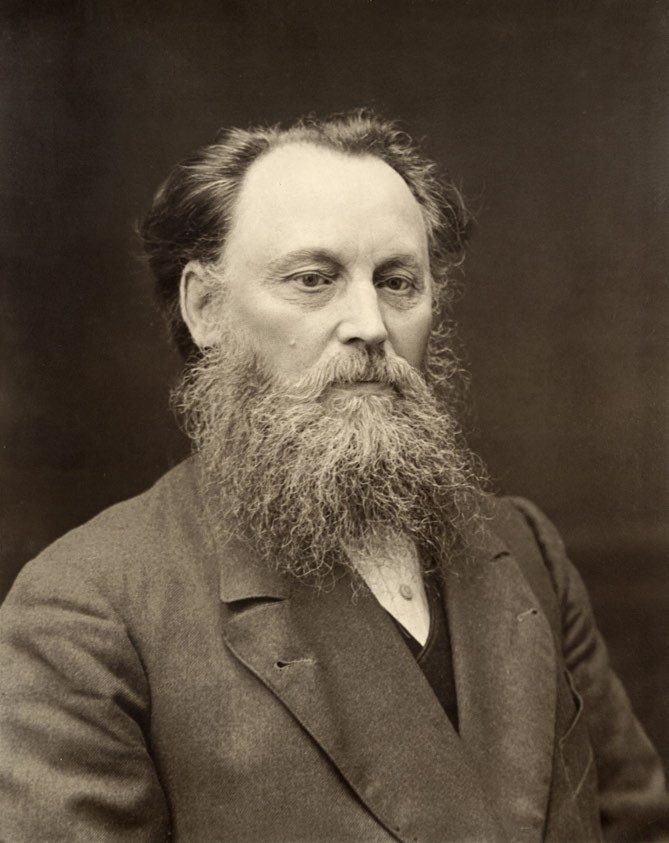
Hans Leoke: from schoolmaster to bookseller
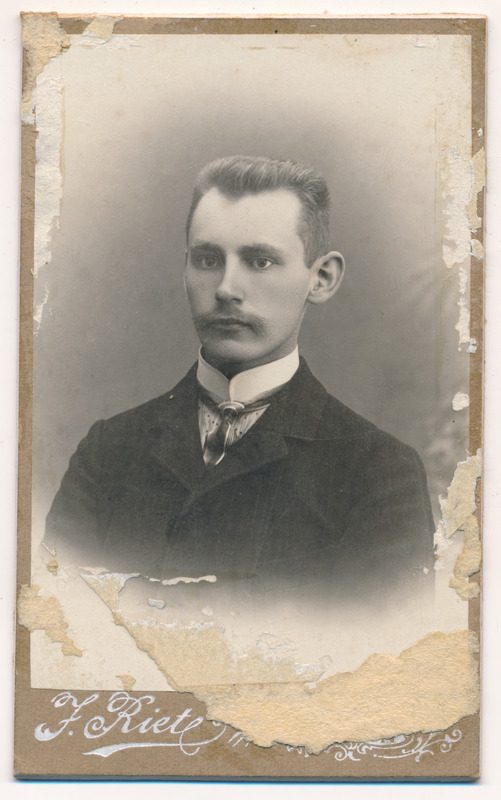
Hans was born at Wardja Matzi farm on the Vana-Võidu (Alt-Woidoma) manor estate, just outside Viljandi, on the evening of 27 December 1852 Old Style (O.S.), which is 8 January 1853 in the modern calendar. Estonia used the Julian, or Old Style, calendar until 1918; Appendix C explains the conventions used here. He was baptized in Viljandi church on 4 January 1853 O.S.1
His parents, Jaak Leok and Kaddri Wardja, had married at Viljandi on 5 April 1838; the registers also spell the surname Löuk or Lõuk. Kaddri was the daughter of the farm holder at Wardja Matzi. Jaak’s family had lived on the same farm since at least 1795, when his grandfather Peet was there with the family of Peet’s brother Jaan, whose son held the farm until 1813.2 Appendix C traces the earlier generations.
The Viljandi Museum’s biography calls Jaak the manor carpenter. The estate’s soul revisions, periodic censuses of the peasant population, list him as a landless laborer (Lostreiber) living on other people’s farms. The revisions record a person’s standing on the estate rather than a trade, so the two descriptions need not conflict.
The museum biography also describes Hans as the youngest of four children and the only one to survive. The Viljandi registers name two of the others, both daughters who died young: Marri, born in 1841, who died in January 1843, and Rööt, born in 1844, who died of dysentery in June 1848, aged four. The third child has not been found. Kaddri died on 22 August 1853, aged 35, when Hans was eight months old. In the estate revision of 1857–58, Hans, recorded as aged five, is listed on Saare Annuse farm in the household of his godfather, the farm holder Mikhel Rambek, while his widowed father was living at Wardja Matzi with Kaddri’s brothers. Jaak died of dropsy at Saare Annuse on 7 October 1867 O.S., aged 55, when Hans was fourteen.3
Financial difficulties forced him to leave first the Arumetsa parish school and later the Viljandi parish school. A household-book note records his confirmation at Viljandi on 21 February 1871, when he was eighteen.4 He worked at the Karula peat works, first as a laborer and then as a clerk. He continued his studies while working, and in 1872 he earned a schoolmaster’s certificate from the Viljandi district school, later taking courses at the Tartu teachers’ seminary.
After posts at the Kuude and Leiaru schools, he was schoolmaster at Arumetsa from 1876 to 1890. He wrote on schooling for the newspaper Sakala, collected folklore for Jakob Hurt, belonged to the Estonian Literary Society, supported the ideas of Carl Robert Jakobson, and helped found the Estonian Alexander School. In 1882 he led the founding of a library society, and an instrumental band followed. A membership card of the Estonian Literary Society for 1885, made out to a “Hans L…”, is in the Viljandi Museum and is probably his.
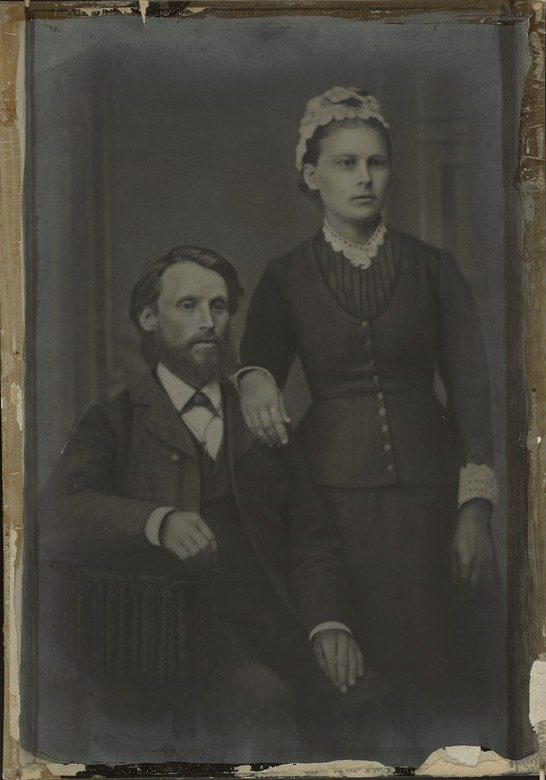
On 1 December 1885 O.S., aged 32, Hans married Mari Tõllasepp at Viljandi. The register enters him as schoolmaster (Schulmeister), with both his parents dead. Mari, aged 18, was from a farming family at Kangilaski farm, also on the Vana-Võidu estate. She was born there on 23 April 1867 O.S., the daughter of Jaan Tõllasepp and Kaddri née Orrik, who were both living at the time of the wedding.5 Their first two sons, Jaan and Hans, were born at the schoolhouse. Hans lost his teaching post during the Russification of the schools, when Russian was imposed as the language of instruction.6 The stated reasons were his lack of Russian and his part in drafting a petition for religious freedom. With the help of Pastor Westrén-Doll he found work as a clerk and bookkeeper at the Louisenhütte machine works at Suure-Kõpu, where he stayed five years. Peter and Elmar Oswald were both born there, and their baptism entries describe their father as an overseer at the works.7
Viljandi’s first Estonian bookshop
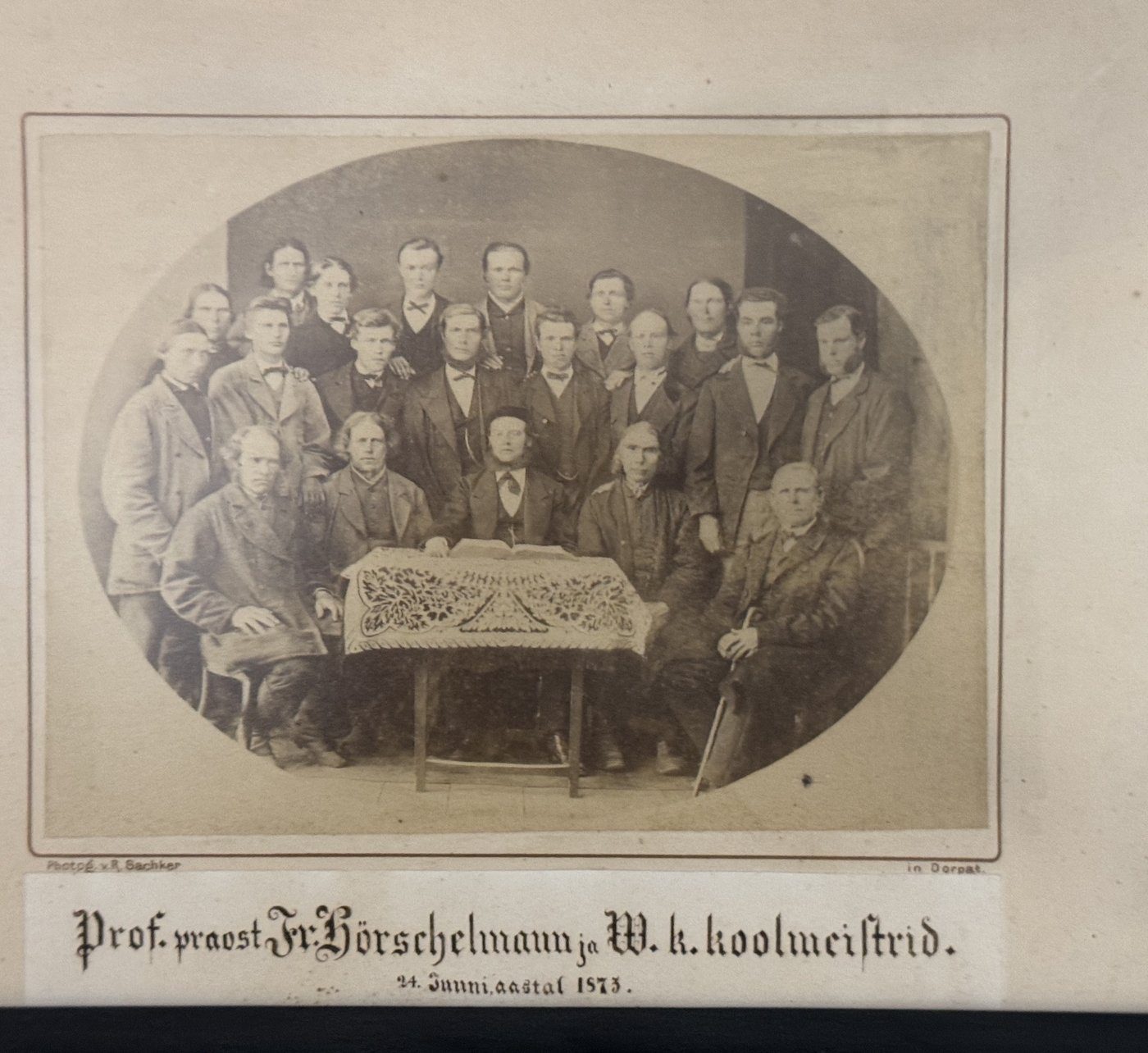
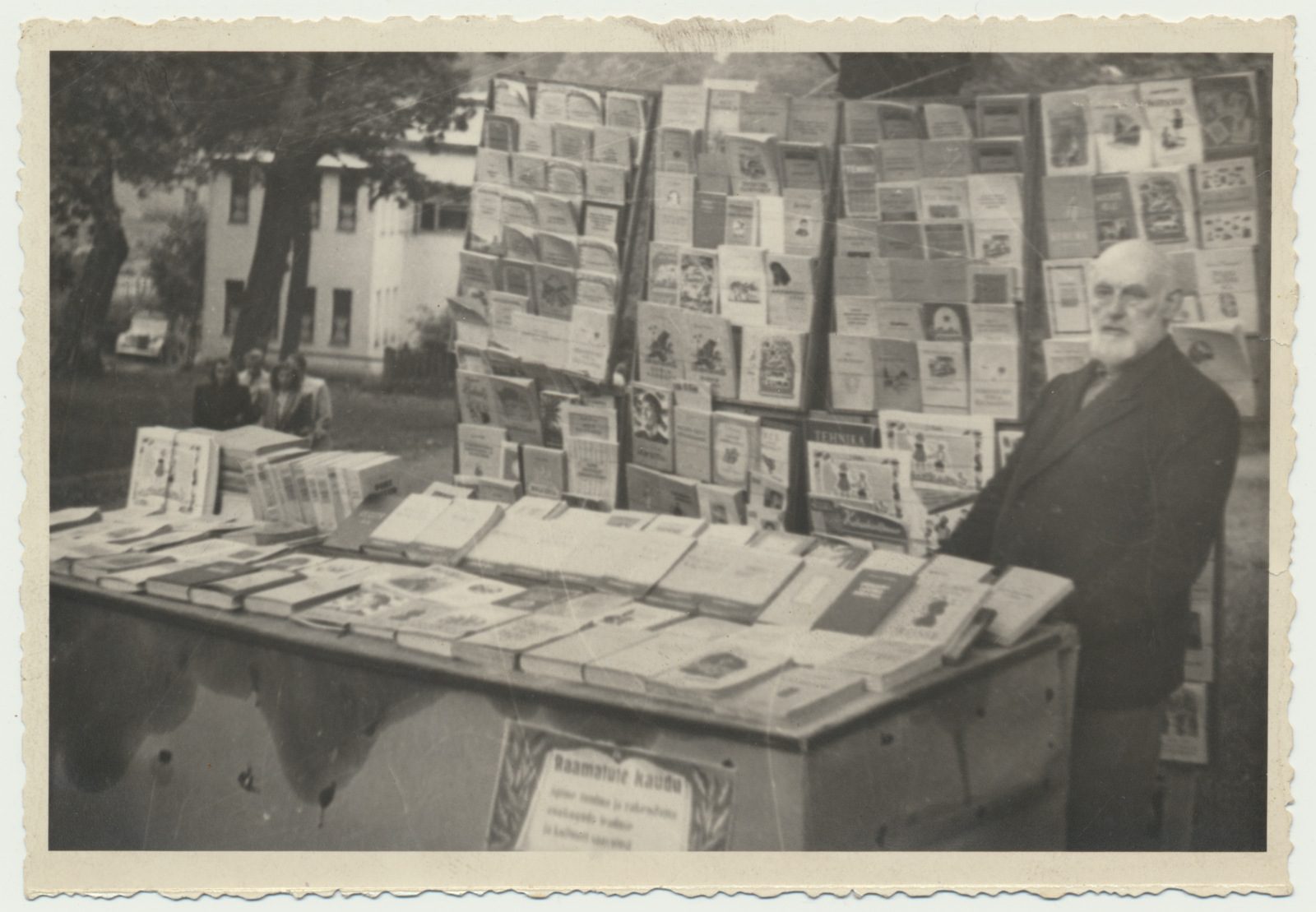
On 23 January 1891, Hans opened the first Estonian-language bookshop and lending library in Viljandi, which until then had only German bookshops. His brother-in-law Ado (Aadu) Tõllasepp, Mari’s younger brother, then 21, managed it at first, while the family seems to have stayed at Kõpu; Hans took over the shop himself in 1896. Ado later set up his own printing house and bookshop.
The shop moved through several premises before settling at Tartu 11 in 1909, where the family also lived. Mari had a business of her own: a grocery and haberdashery at Lossi 16, run in her name, which also sold toys and funeral wreaths. The full sequence of addresses appears in Appendix A.
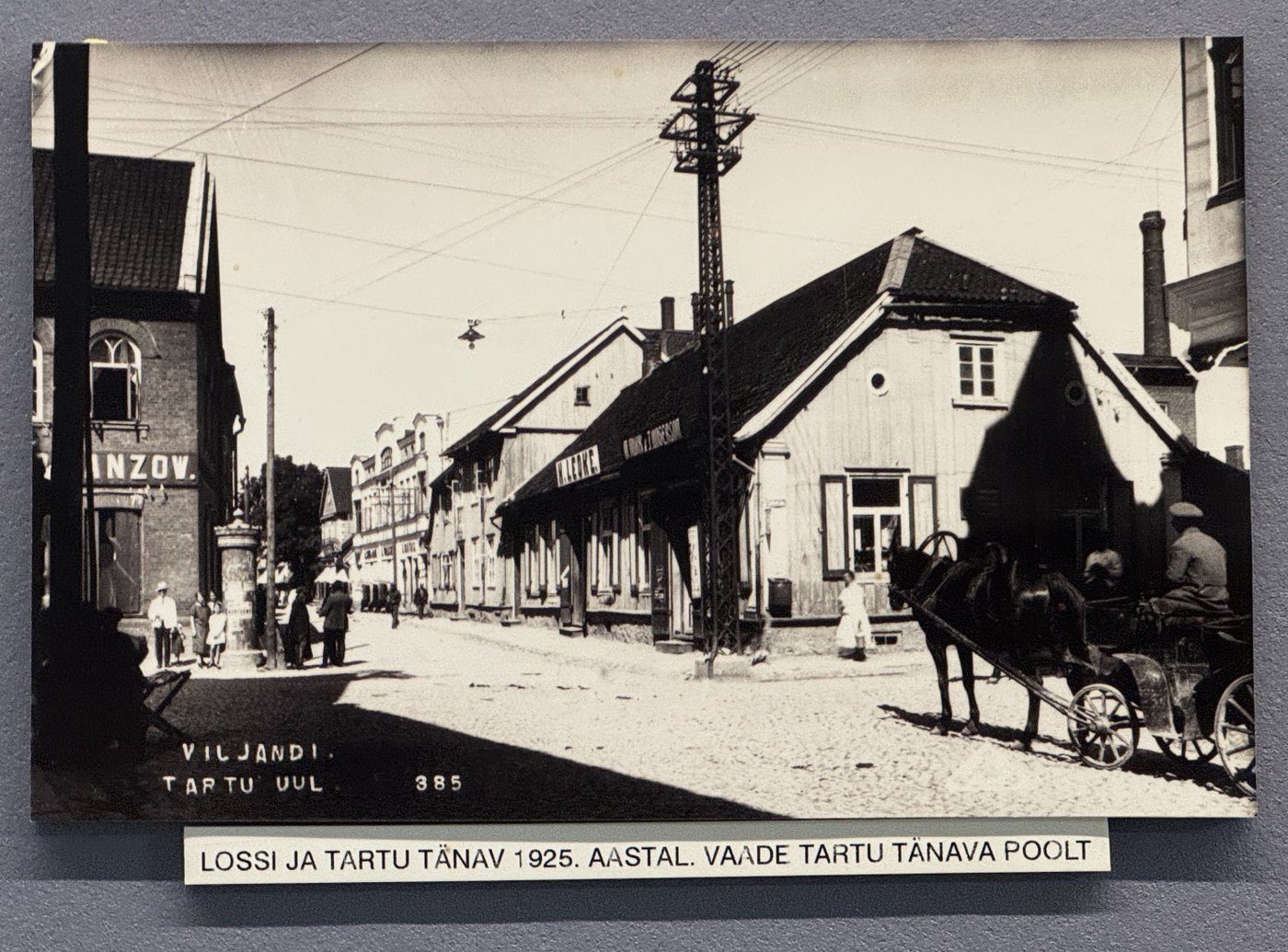
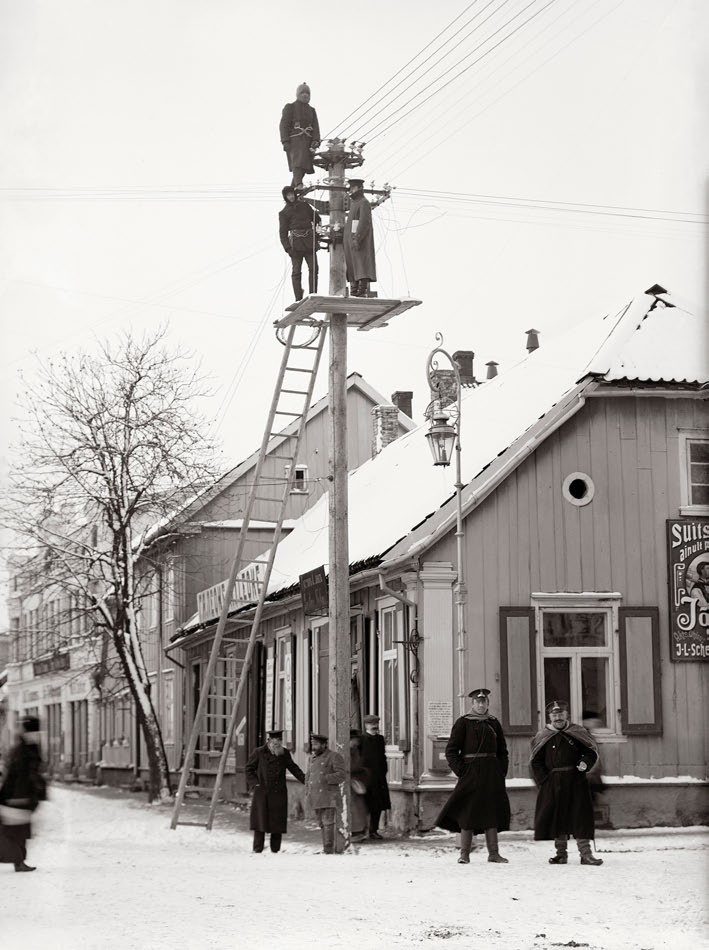
In 1910 Hans became a second-guild merchant and a citizen of the town, which gave him a vote in town elections. Besides books and school supplies, the shop sold household goods, accepted cloth and yarn for dyeing, and sold tickets and printed posters for local performances.
Children preferred his shop, where pens, pencils, textbooks and exercise books were sold, to the other, duller shops. Leoke was a kindly man with gold-rimmed spectacles and a big beard. Since he was short, his head reached just over the counter, so that he swept the display cases with his brown beard like a broom. His mouth was never still: he asked every youngster his name, where he lived, which school and class he was in and what his papa did, said he knew him, and sent greetings home.
— Writer Johannes Semper, remembering his school days (translated from the Estonian)
Publishing and lending books
Hans founded his publishing house in 1895. Its first publication was M. Kampmann’s biography of Emperor Alexander III. A former teacher, Hans concentrated on schoolbooks, songbooks and stories. He also published his own collection of riddles, songs and games, Vigurivänt (1906), under the pen name Kevadelind (“spring bird”), along with a Viljandi town guide in Estonian and Russian. His almanacs usually had print runs of 5,000 copies, rising to 10,000 in 1909.
Theater became a major part of Hans’s publishing business. Amateur drama groups had limited access to suitable material, so from 1902 Hans published original and adapted Estonian plays in his series Rahva näitemängud (“Plays for the People”), including works by August Kitzberg. Between 1902 and 1922 his press issued 140 plays, about a third of all Estonian drama published in those years, and he was the main publisher of children’s plays. He also bought scripts and rights, obtained performance permits from the censor, and rented scripts out to theater groups: his catalog listed almost 700 plays, most of them in manuscript.
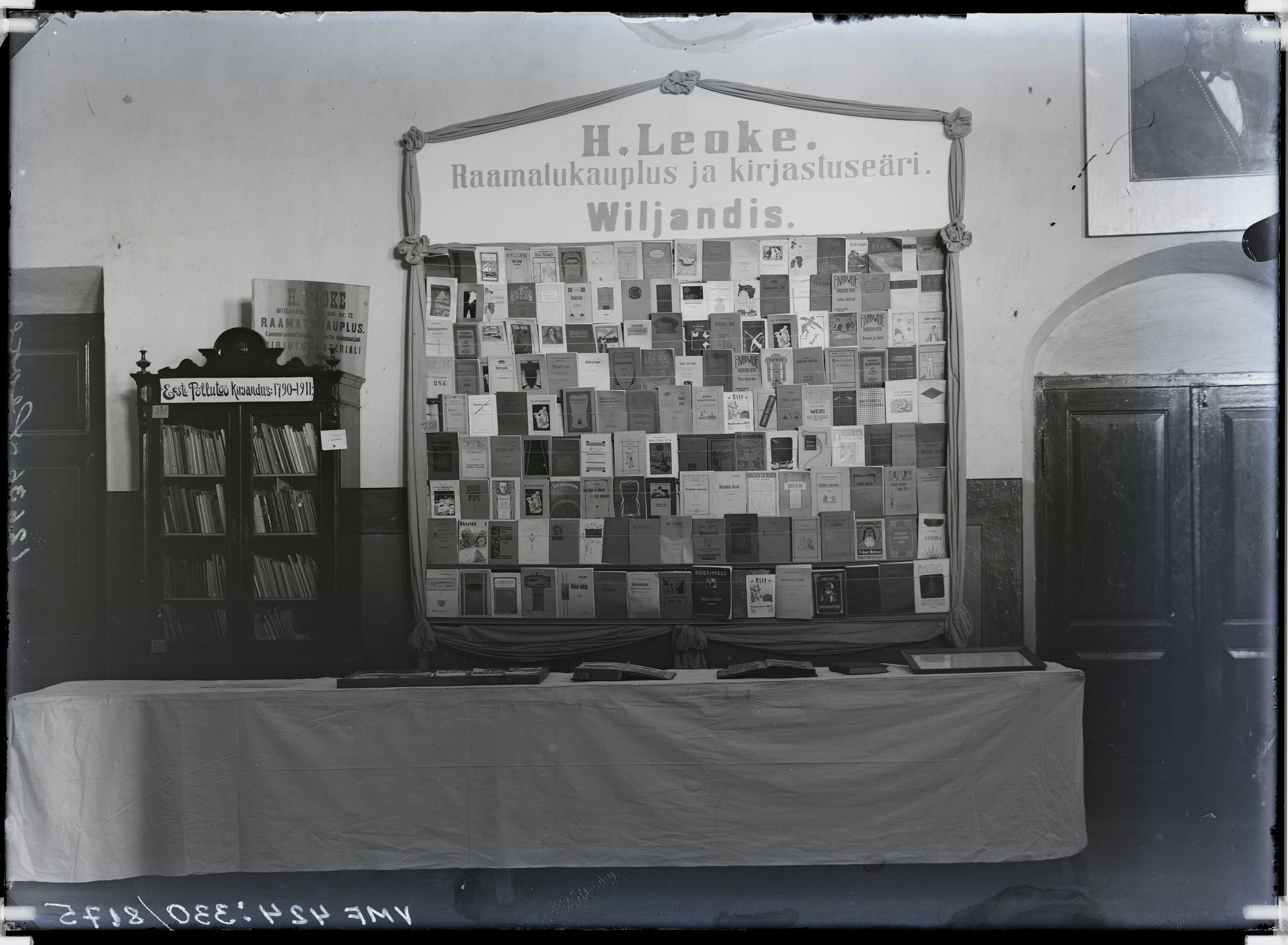
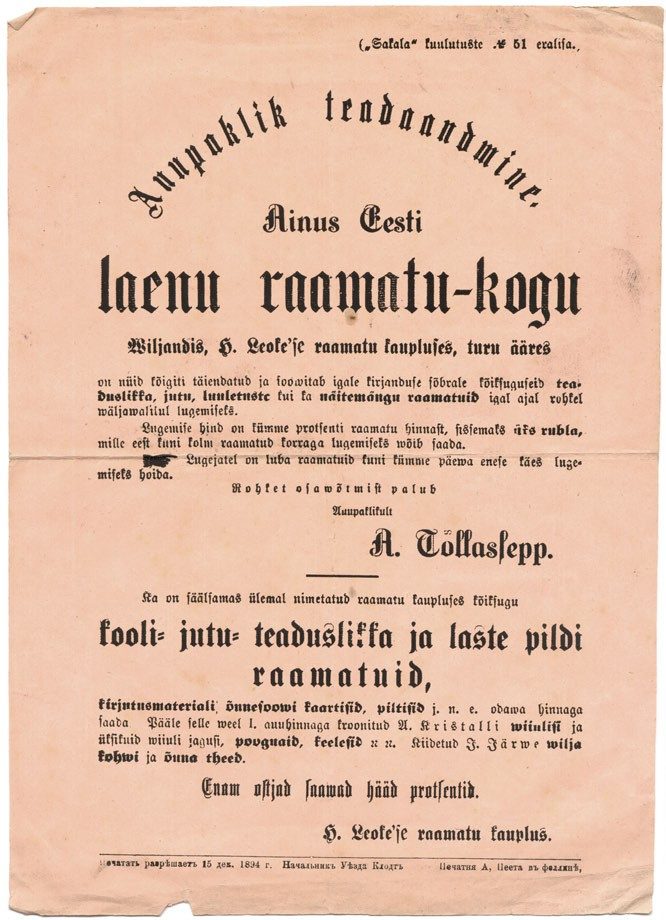
From 1891 the shop lent books for a fee to readers in Viljandi and the surrounding countryside. It started with about 700 titles and had grown to 4,200 by the early 1900s.
After Hans died, the lending library passed to his sons Elmar Oswald and Jaan. They stopped publishing and lending plays in 1922, and in 1933 Elmar Oswald sold the lending library to the theater publisher Taavet Mutsu.8 Jaan kept the bookshop running until 1936.
The archive library
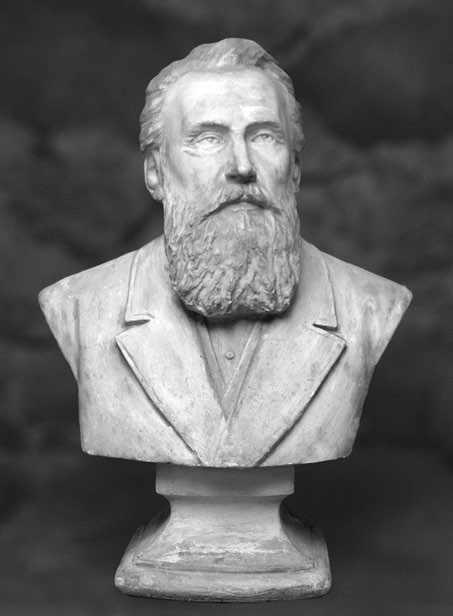
All his life Hans tried to collect every Estonian-language publication he could: books, almanacs, magazines and newspapers. By the 1920s the collection held nearly 15,000 Estonian publications, including almost every Estonian book published before 1864 and original editions of regional decrees from 1688–1842. He hoped it would stay together in Viljandi and dreamed of founding a museum.
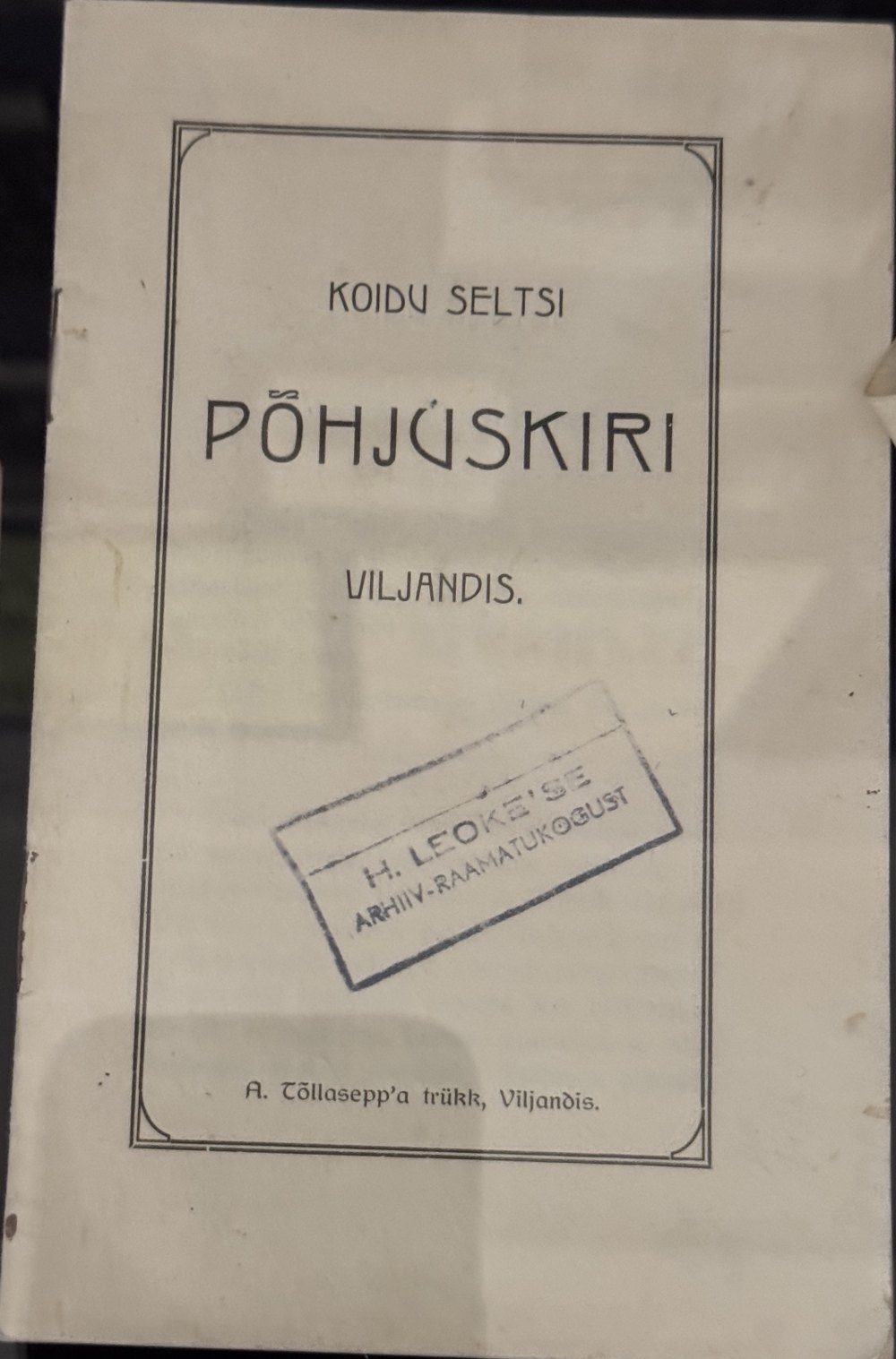
Jaan spent years seeking a buyer for the entire collection. When those efforts failed, it was sold in parts; J. Keng, identified in the museum account as the family’s heir, disposed of the remainder. Books from the collection are now held by several institutions, especially the Viljandi Museum, as well as the National Library, the Literary Museum and the Theatre and Music Museum. They can be recognized by the stamp “H. Leoke’se arhiiv-raamatukogust” (“from H. Leoke’s archive library”). The stamp appears on items printed as late as 1926 and 1934, so the collection kept growing after Hans’s death, presumably under Jaan, who ran the shop until 1936.
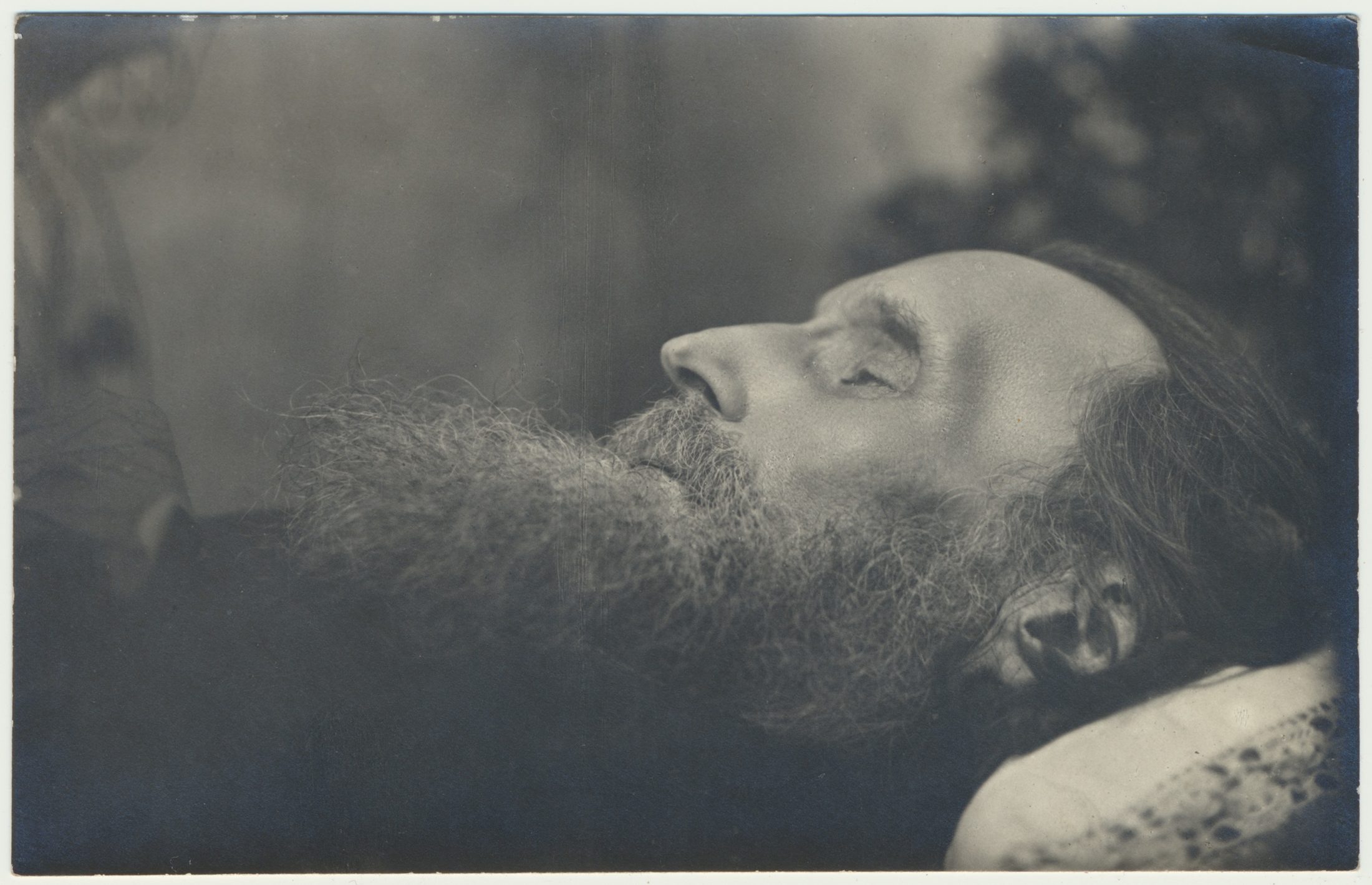
Hans Leoke died on 16 August 1919 and was buried in the Viljandi Old Cemetery.
Hans and Mari’s sons
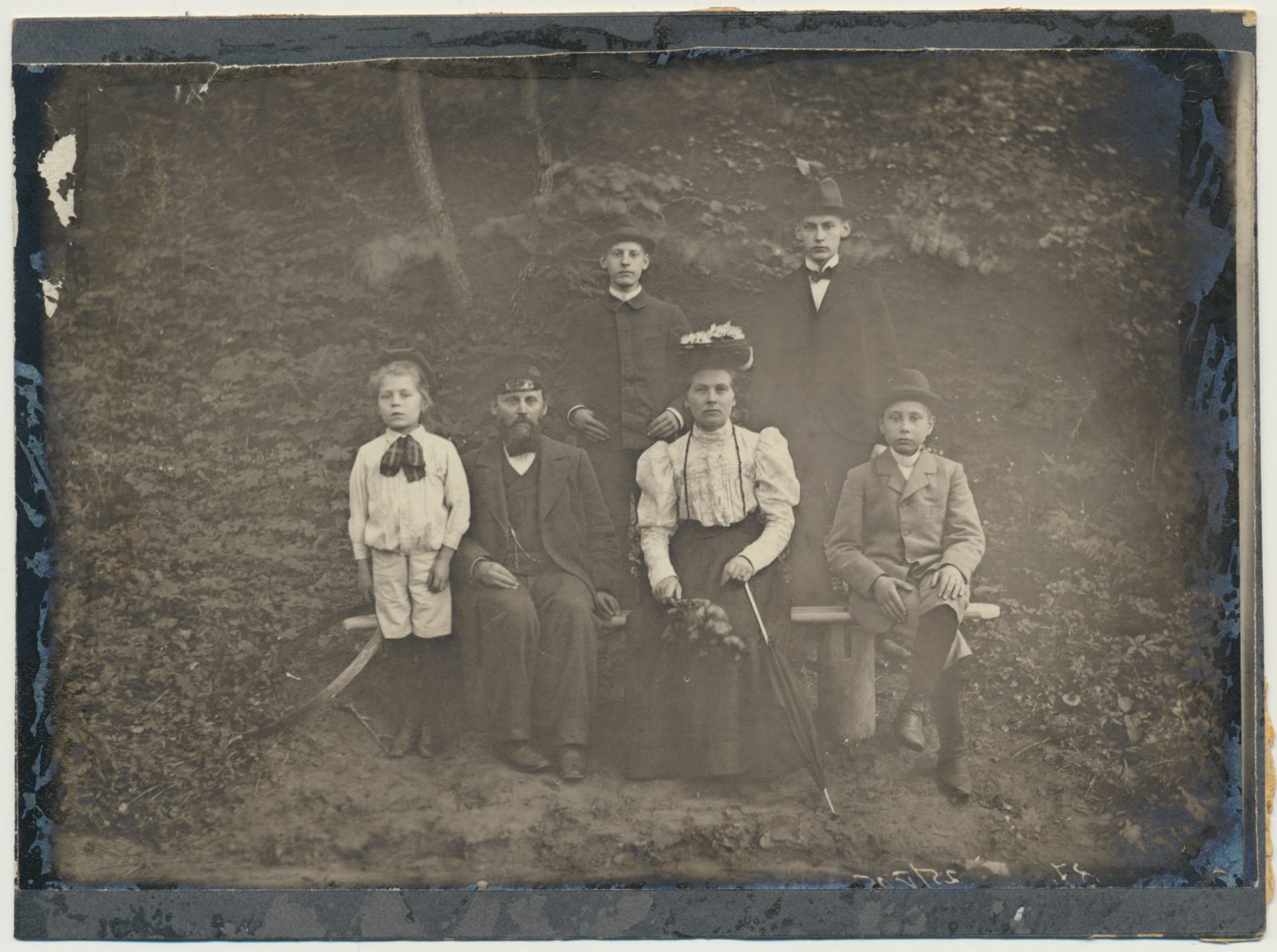
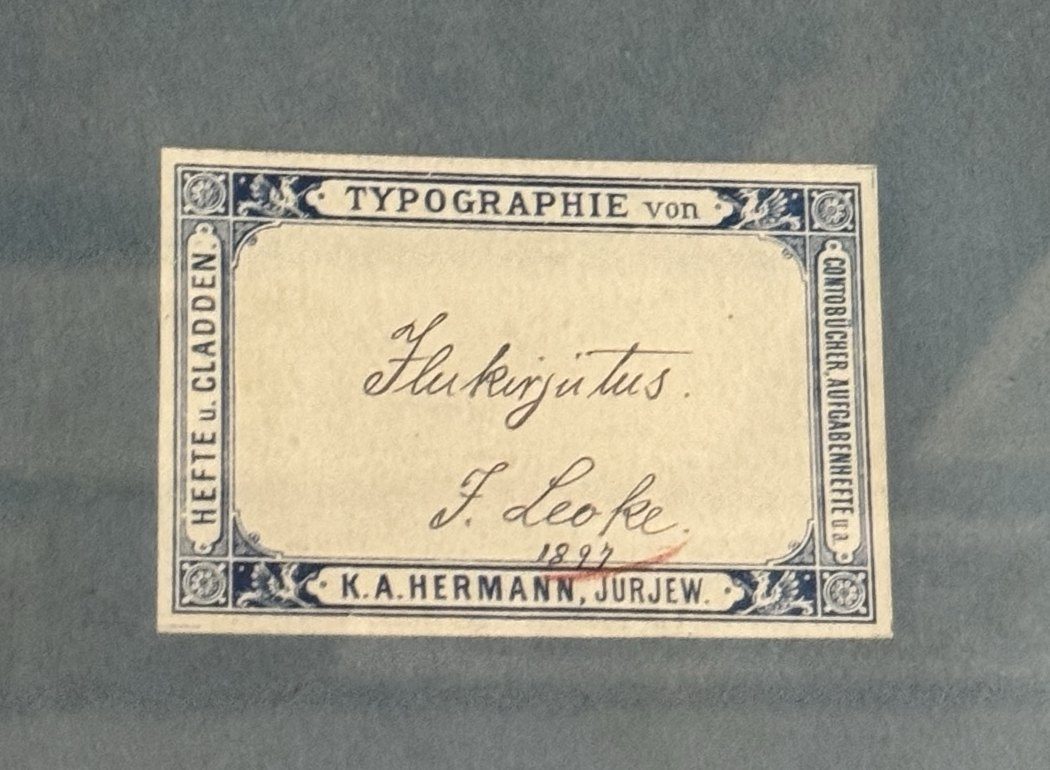
- Jaan Leoke (2 November 1886 O.S. – 17 March 1959), born at the schoolhouse. He ran the bookshop at Tartu 11 until 1936, co-owned the lending library with Elmar Oswald, and spent years trying to keep his father’s archive library together. His school penmanship book from 1897 is in the Viljandi Museum. In 1913 his father planned to send him to study in Leipzig, but the First World War ended the plan. After the Second World War, he and his mother Mari remained in Viljandi, where they sold books, while his brother Elmar Oswald’s family emigrated to America. He is buried in the family plot.
- Hans Leoke (5 November 1888 O.S. – 1945), also born at the schoolhouse. He was schooled in Petrograd and trained at the Estonian War School in 1919–20. In a biography he supplied about 1923 he called himself a “restless wanderer”: by his own account he had been sent to Vladivostok as an artillery volunteer, escaped to Japan, and worked for English and Dutch trading houses in the East Indies before returning to Estonia in 1919. In 1921 he joined the new Estonian consulate in New York, and from the summer of 1922, when the United States recognized Estonia, he was acting consul. After a stay in Tallinn in 1924–25 he returned to New York, by way of Sweden, in April 1925; by 1926 he no longer held the post. His last dated trace is in New York in November 1930. Linda Sarapuu’s 2007 study, which also calls him acting consul, gives his death as 1945; where and how he died is not yet known.9
- Peter Leoke (1892–1973), born at Louisenhütte, Suure-Kõpu (his American papers say Viljandi). Diplomat, publisher and the family’s anchor in America.
- Elmar Oswald Leoke (27 July 1896 O.S. / 8 August 1896 – 26 February 1972), born at Suure-Kõpu, Pilvi’s father: the youngest boy in the photographs.
- Adolf Jakob Leoke, born in Viljandi on 22 July 1901 (Old Style) and baptized at home on 27 July; he died the next day.
Notes
-
EELK Viljandi congregation, baptisms 1853, EAA.1290.1.67, p. 10, No. 4: Hans, son of Jaak Louk and Kaddri, born on the evening of 27 December 1852 at Wardja Matzi and baptized on 4 January 1853 by Pastor Carlblom; godparents Mikhel Rambek, Ann Wardjamets and Jaan Kangor. ↩
-
Marriage: EELK Viljandi congregation, 1838, EAA.1290.1.52, image 41, marriages No. 12, where Jaak is “of Saare Annuse”. Soul revisions of the Alt-Woidoma estate: 1811 (EAA.1865.3.282/19, image 25, where Peet, “Jaan’s brother”, aged 64 in 1795, is marked as having died in 1803), 1816 (EAA.1865.3.283/5a, image 15), 1826 (EAA.1865.3.283/13, image 41, p. 23), 1834 and 1850 (EAA.1865.3.284/7, image 8; EAA.1865.3.288/4, images 5–6). ↩
-
Viljandi Museum, “Hans Leoke 1853–1919”. Marri: EELK Viljandi congregation, births 1841, EAA.1290.1.55, image 17; deaths 1843, EAA.1290.1.57, image 31, No. 19 (as “Leok”), aged one and a quarter. Rööt: births 1844, EAA.1290.1.58, image 21, No. 297; deaths 1848, EAA.1290.1.62, image 49, No. 317. Kaddri: deaths 1853, EAA.1290.1.67, pp. 40–41, No. 179. The revision of 1857–58: EAA.1865.3.293/3, images 5 (Saare Annuse, p. 4) and 21 (Wardja Matzi, p. 20). Jaak: deaths 1867, EAA.1290.1.84, image 58 (p. 53), No. 191; buried 12 October. ↩
-
Viljandi congregation household book, EAA.1290.1.532, image 625: note “71 21/II F.” (confirmed 21 February 1871 at Fellin). ↩
-
EELK Viljandi congregation, marriage index 1885, EAA.1290.1.327, image 41, No. 85; full entry in the marriage lists, EAA.1290.1.504, image 211, No. 109 (betrothed 7 November; banns 10, 17 and 24 November 1885). Mari’s birth: births 1867, EAA.1290.1.84, image 16 (p. 14), No. 178. Her parents’ marriage: EAA.1290.1.504, image 13, 1863 No. 42. ↩
-
“Vene kirjandus venestusaja eesti koolides / Russian Literature in the Estonian Schools of the Russification Era,” Methis. Studia humaniora Estonica. The article describes the introduction of Russian as the language of instruction through school reform. ↩
-
EELK Viljandi congregation, births: Jaan, 1886, EAA.1290.1.328, image 21, No. 258, born 2 November 1886 at the Alt-Woidoma school and baptized 14 December; Hans, 1888, EAA.1290.1.330, image 22, No. 300, baptized 18 December; Peter, 1892, EAA.1290.1.334, image 17, No. 130; Elmar Oswald, 1896, EAA.1290.1.338, image 44, No. 45; Adolf Jakob, 1901, EAA.1290.1.343, image 24, No. 172, and deaths 1901, image 54, No. 145. The entries describe Hans as schoolmaster at Alt-Woidoma (1886, 1888), overseer (надзиратель) at Luisenhütte (1892, 1896) and bookseller in Viljandi (1901). ↩
-
Linda Sarapuu, Viljandi Muuseumi aastaraamat 2007, p. 206, which calls what was sold the laenukogu (lending library) and cites a sale agreement between Elmar Leoke and Taavet Mutsu, Estonian Literary Museum, EKLA f. 224, m. 92:10. Earlier editions of this history said it was the play collection. ↩
-
Hans’s biography for the Estonian Literary Society, about 1923, in the files of the Estonian Consulate General in New York, ERA.1608.1.570, images 2–3; it names his parents as Hans, son of Jaak, and “Mari Jaani t. Tõllasepp”. Handover of the consulate from Nikolai Köstner, 22 June 1922: ERA.1608.1.51. His officer’s file, ERA.495.7.2663, includes his service sheet of 1920 and a Tallinn police note of 7 May 1925 that he was “at present in America and serves there as Estonian consul” (image 35). His passport and visa papers of 1924–29, ERA.1608.1.808, record his return to Ellis Island on the Stockholm on 20 April 1925 and an address at LaBelle, Florida, in 1926; his last dated signature, New York, 3 November 1930, is in the officer’s file. Tallinn address register, TLA.1376.1.134, sheet 312802: Viru 22, 10 July 1924 – 6 April 1925, then “to Sweden”. Linda Sarapuu, Viljandi Muuseumi aastaraamat 2007, p. 210: “Neist viimane oli 1920. aastatel Eesti Vabariigi konsuli kt USA-s” (“the last of them was acting consul of the Republic of Estonia in the USA in the 1920s”). A death date of 24 June 1945 appears only in an online family tree that gives no source. No death was found in the index of New York City deaths for 1862–1948 or in the memoriaal.ee repression database. On another Hans Leoke in America in the 1920s, see Appendix D. ↩